

The Three Cracks in the Global Labor Market
Download the Full ReportExplore the Interactive ExperienceMassive disruption is underway, and none of the old rules apply.
A fault line is a crack where pressure is building, creating the conditions for cataclysmic change. We’re seeing fault lines in the global labor market.
Geopolitical relationships are rupturing. AI is overturning everything we thought we knew about work. Labor shortages are raising the stakes for every workforce decision.
Lightcast has studied the global labor market for over 25 years, but the challenges ahead are unlike any we’ve seen before. By organizing and understanding the world’s labor data, we want to provide trusted, useful guidance even when the ground is shaking under your feet.
Featuring New Research from Our Experts

Elizabeth Crofoot
Principal Economist

Ron Hetrick
Principal Economist

Elena Magrini
Senior Economist and Head of Global Research

Cole Napper
Vice President, Research, Innovation, and Talent Insights
6%
20%
66%
Every Challenge Makes the Others Harder.
Tensions and confusion about geopolitics, AI, and labor shortages are compounding, not just coinciding.
When the sectors most in need of workers are the ones using AI least, it makes labor shortages worse, instead of automating them away. When one country can draw AI workers away from others (as the US has done) it creates a geopolitical advantage. Immigration restrictions are geopolitical policy choices—that create additional labor shortages.
Join the report authors February 24 to learn more about the data behind the insights.
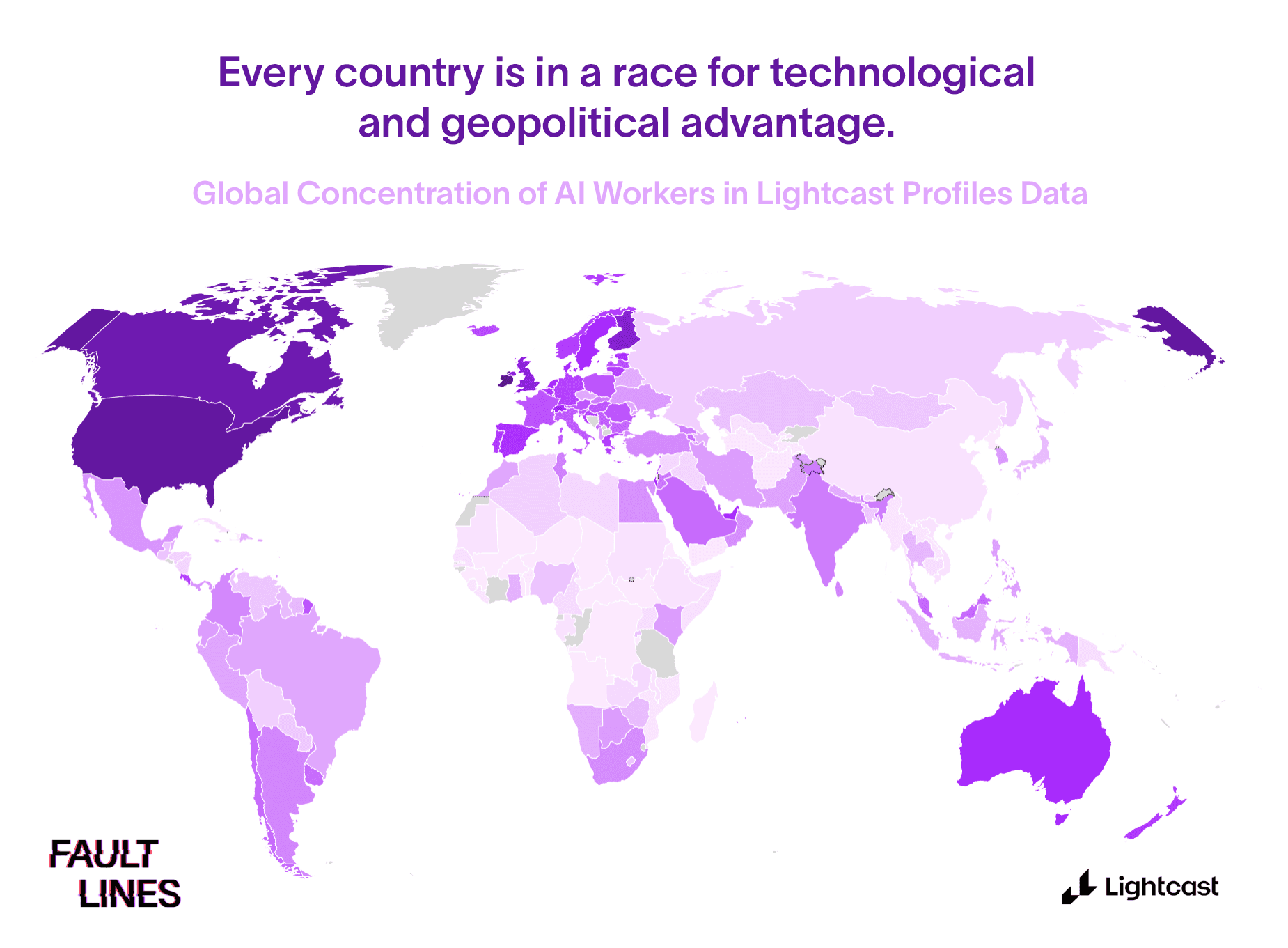
We have no precedent for the convergence of these patterns. As geopolitical disruption, AI transformation, and labor shortages intersect and fracture the existing landscape, they are creating challenges no single generation has ever faced. The future will be different than the present and past. And yet most organizations do business like it’s the 20th century, using past performance as a predictor of future results.
With comprehensive labor market intelligence—organizational, skills, and workforce data—businesses, educators, and the public sector can anticipate change proactively and be ready when it comes